
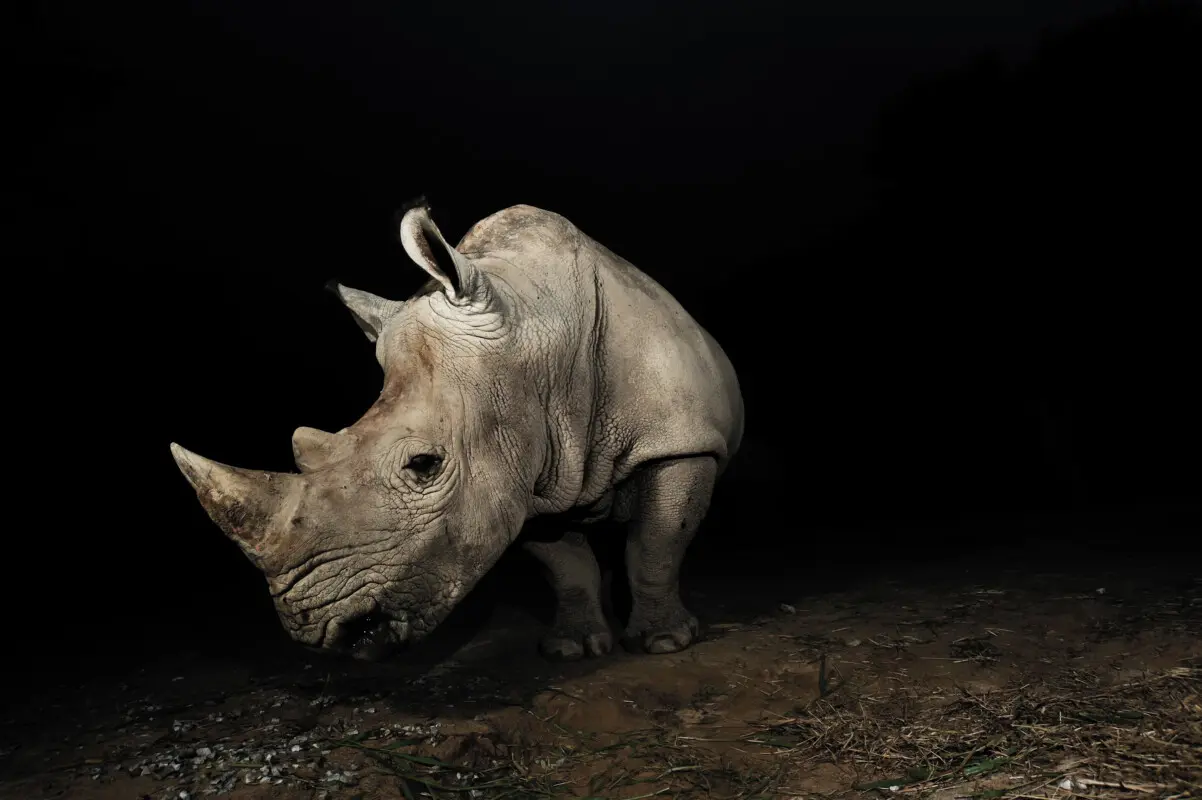
What is Wilderness?
Wilderness refers to large, relatively undisturbed ecosystems that retain their natural biodiversity, ecological functions, and evolutionary processes. It is important to emphasize that wilderness does not mean uninhabited or unused land. Many of the world’s most intact places (what can be referred to as wilderness) are Indigenous homelands that have been stewarded for generations. In this sense, wilderness often reflects long-standing relationships between people and nature, not the absence of people.
Why is wilderness important?
Protecting wilderness is absolutely critical for maintaining biodiversity, protecting ecosystem services, and serving as a climate change buffer. Some of the important benefits of protecting and stewarding wilderness include:
- Biodiversity Hotspots: Wilderness areas provide critical habitats for species and help maintain genetic diversity
- Climate Change Mitigation & Adaptation: These areas often serve as carbon sinks and help stabilize weather patterns, helping to combat climate change. They also provide natural, relatively undisturbed landscapes that help ecosystems adapt to changing weather patterns.
- Protection from Development: Wilderness designation prevents habitat fragmentation from roads, logging, mining, and oil/gas extraction.
- Indigenous rights and stewardship: A significant portion of the world’s remaining wilderness overlaps with Indigenous territories. Recognizing wilderness alongside Indigenous land tenure strengthens both biodiversity protection and human rights.
- Cultural and Social Value: These areas offer opportunities for solitude, recreation, and spiritual connection, contributing to mental well-being and, and in some cases, preserving cultural heritage
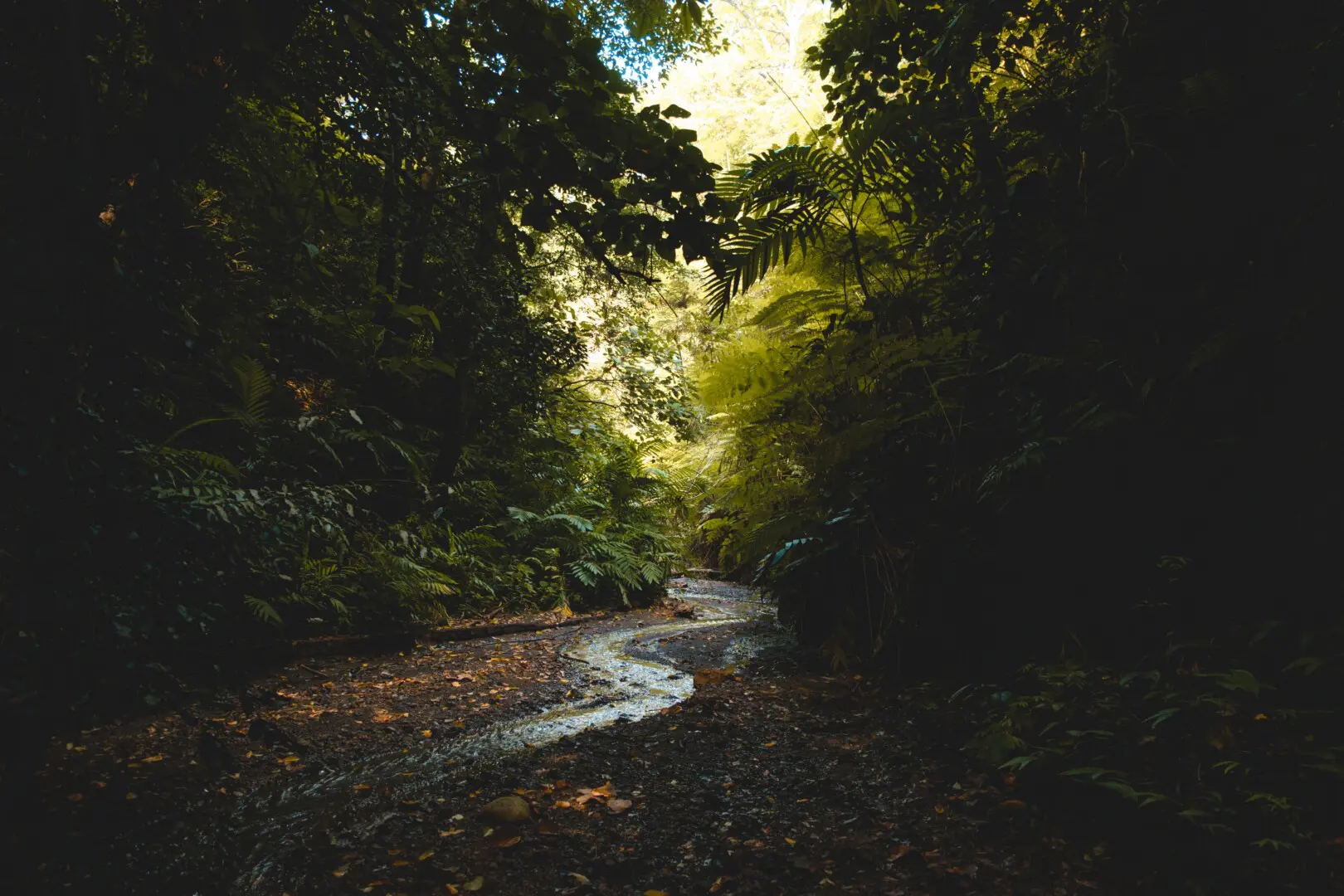
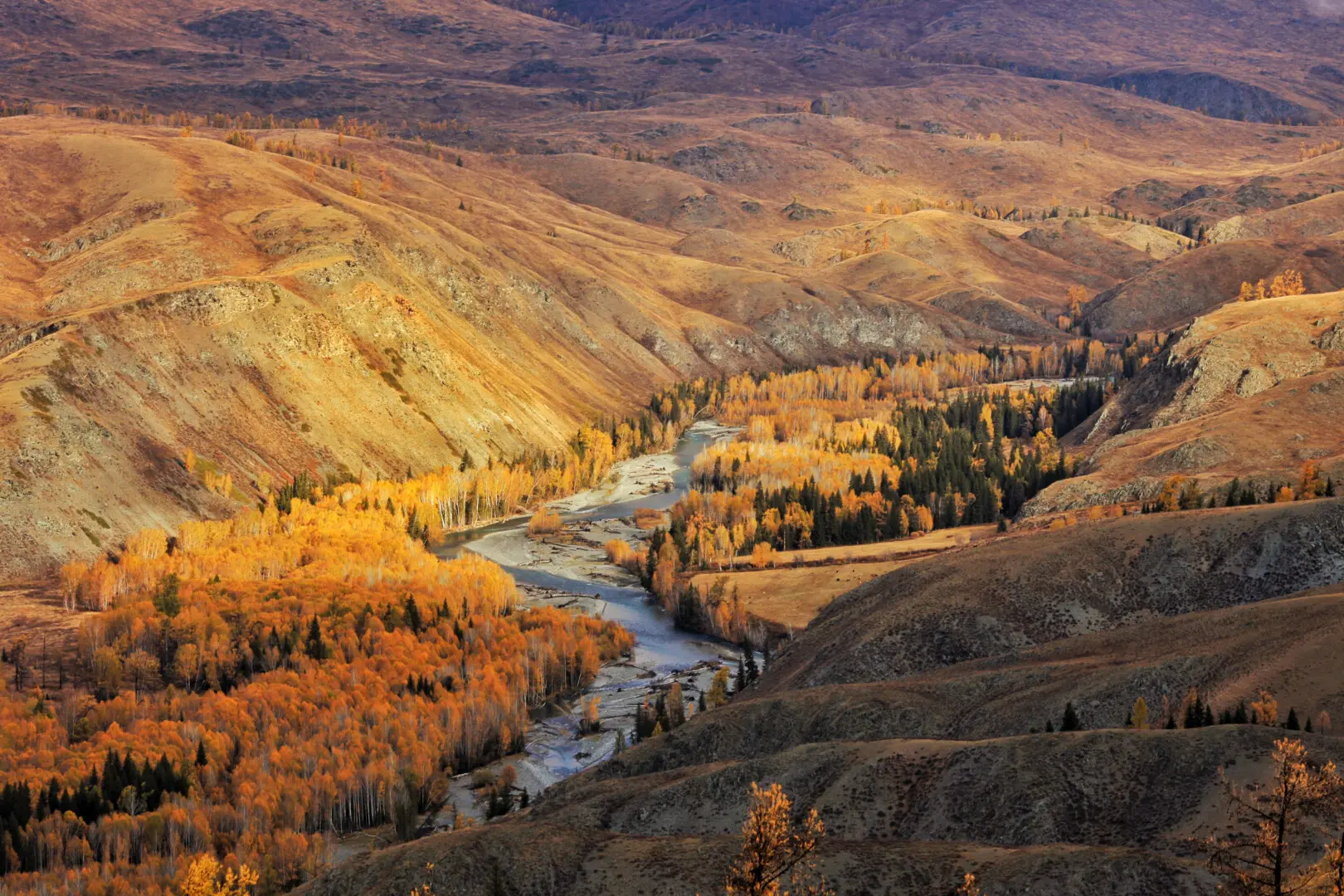
How is wilderness a part of WILD's work?
By supporting large-scale conservation, promoting spatial targets like protecting at least half of the planet, and working with Indigenous Peoples and local communities, WILD helps ensure that wilderness remains resilient and capable of supporting both biodiversity and human well-being. Through our programs, partnerships, and global advocacy, WILD works to translate the science of planetary limits into practical conservation solutions on the ground and across landscapes.
Starting in early 2007, the IUCN (International Union for the Conservation of Nature) embarked on a revision of its Protected Area Management Guidelines. These guidelines are of international importance because they establish a protected areas classification system and define best management practices for each protected area category. As founder and co-chair of the Wilderness Specialist Group within IUCN’s World Commission on Protected Areas, the WILD Foundation was actively engaged in revising the definition and management guidelines for wilderness (Category 1b), an effort which culminated at the IUCN’s 4th World Conservation Congress in Barcelona, October 2008. As a result of nearly two years of collaborative work, the new guidelines contain a number of important breakthroughs:
- They define a protected area as an area set aside primarily for nature conservation.
- The new guidelines (supported by a resolution passed at the World Conservation Congress) emphasize that all protected area categories make valuable contributions to conservation, and that the choice of protected area category should be based on local context/conditions.
- The wilderness protected area category was updated and strengthened.