
Over five decades of action for wilderness & people
Friendship, not power, saved the Southern White Rhino from extinction
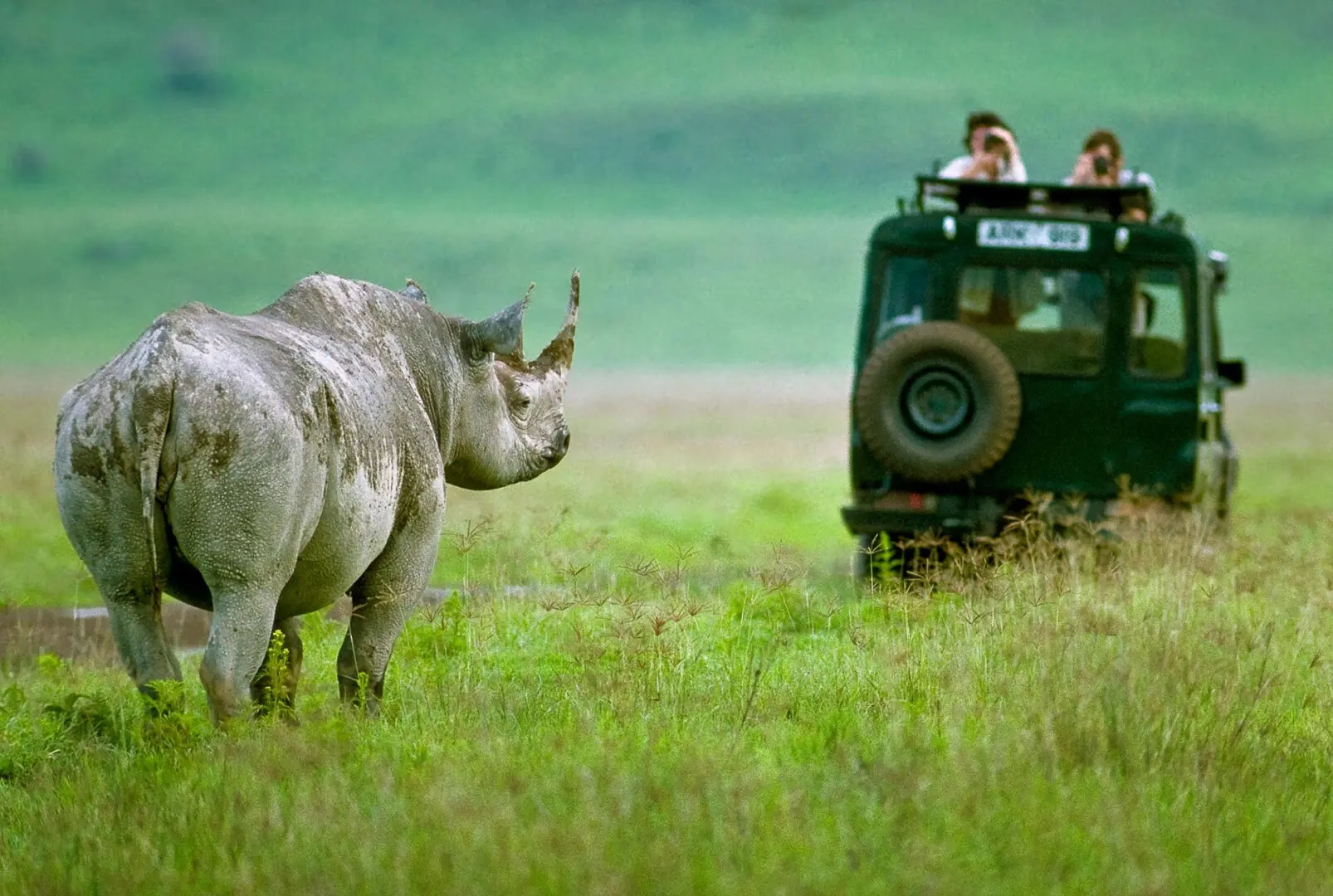
Our founders were told by South Africa’s racist regime that they could not work together, nor could they save the Southern White Rhino from the brink of extinction. What they did next shocked the world.
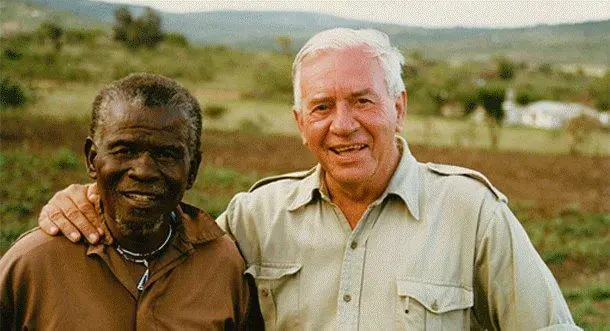
In 1960s Apartheid South Africa, when white and black men were prohibited by law from being friends, Ian Player and Magqubu Ntombela headed into the wilderness on a small scouting expedition to help establish a protected area for the Southern White Rhino.
This was the birth of the WILD Foundation.
WILD has many accomplishments throughout the years, sparked by the friendship of two men and their undying respect for the natural world.
1974
A global movement for wilderness begins – WILD works to build respect for nature and spark new leadership and policies for the protection of wild nature.
1977
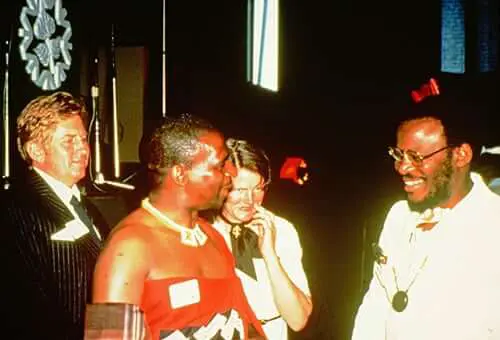
Launched the World Wilderness Congress (WWC) – ignoring the racially unjust “apartheid” laws of South Africa, the 1st WWC’s 3000 delegates were of all races, and many countries, and for the first time included bankers and corporate leaders into the conservation decision-making.
1980
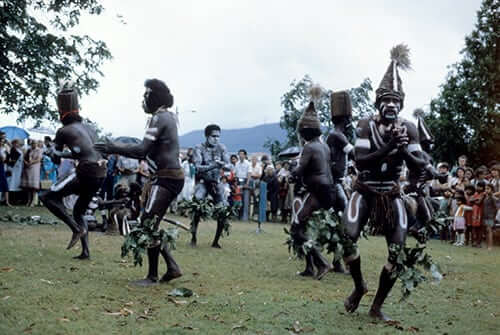
2nd World Wilderness Congress, Australia – Virgin rainforest in Queensland was protected; The first marine wilderness zone was established on the Great Barrier Reef. The process began to create wilderness as an official global protected area category.
1983
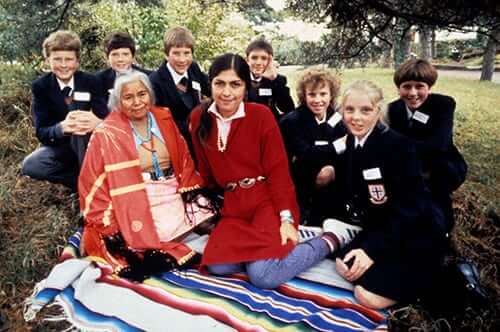
3rd World Wilderness Congress, Scotland: The UK – ratified the World Heritage Convention; Continued progress towards creating the (global) wilderness protected area category, eventually ratified by the International Union for the Conservation of Nature (IUCN) in 1992.
1987
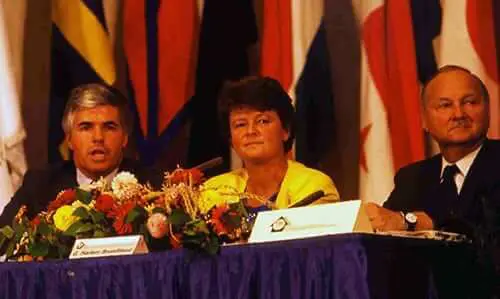
4th World Wilderness Congress, Colorado, United States – Initiated the process that established the Global Environmental Facility of the World Bank (which has since provided over USD 20 billion for global conservation solutions). Produced the first global inventory of wilderness areas; the first ever scientific symposium on the concept of marine wilderness.
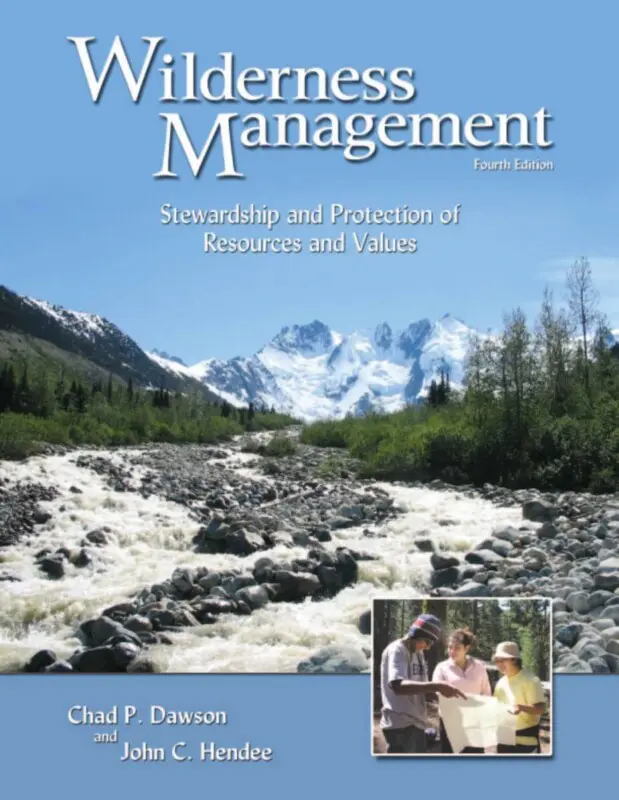
1989
Published Wilderness Management – the standard reference for wilderness stewards and policymakers globally, that is now in the 4th edition.
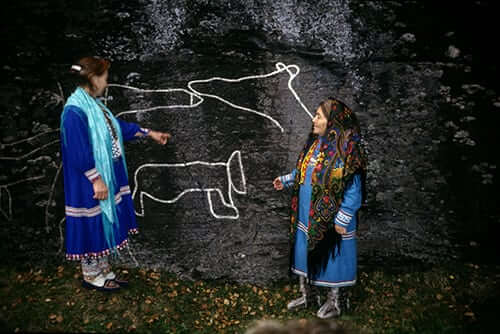
1993
5th World Wilderness Congress, Norway – Developed substantive plans for integration of northern indigenous communities in polar conservation. Produced first inventory of wild rivers of the Northern hemisphere.
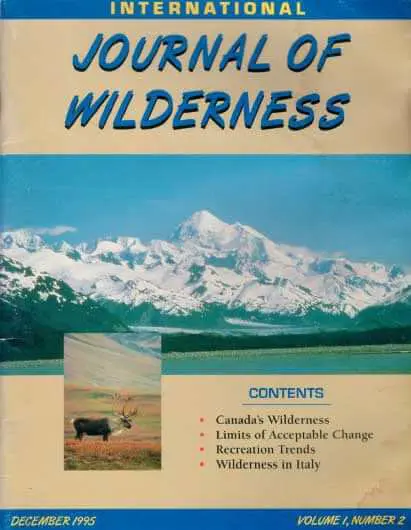
1995
Launched the International Journal of Wilderness – which has since become the world’s longest running and most extensive, freely available archive on international wilderness issues and solutions.
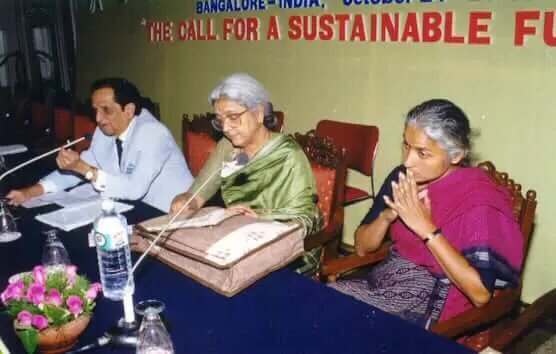
1998
6th World Wilderness Congress, India – Introduced the wilderness concept to Asia, where no wilderness had yet been declared; introduced the first concept for marine wilderness on the “commons” of the high seas.
2001
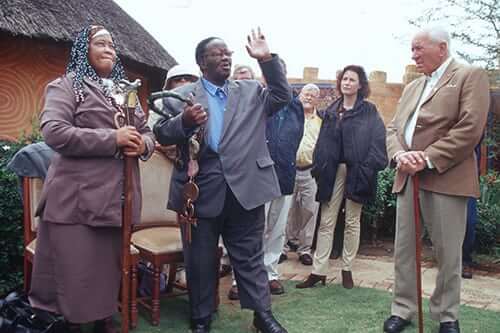
7th World Wilderness Congress, South Africa – Secured commitments of USD 2 million for specific African wildland areas, that prompted expansion of the Baviaanskloof Wilderness (South Africa) by 300,000 hectares; numerous new protected area initiatives announced in Namibia (entire coastline to be protected), commitment to Congo Basin protection by US Government, and more.
After several years of incubation at WILD, the International Conservation Caucus is launched in the US House of Representatives, to be followed a few years later in the Senate. Now the International Conservation Caucus Foundation is the largest non-partisan caucus on Capitol Hill, one of the most powerful non-partisan forces for wildlife and wild places in Washington DC, and has initiated associated caucuses working within in the national assemblies of seven other nations.
2002
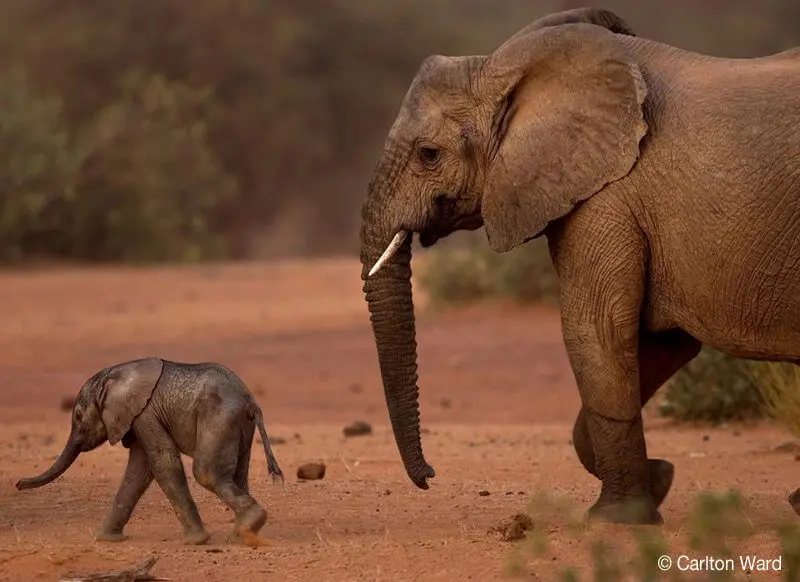
Launched Mali Elephant Landscapes – a community-based defense of one of just two remaining desert elephant herds.
2003
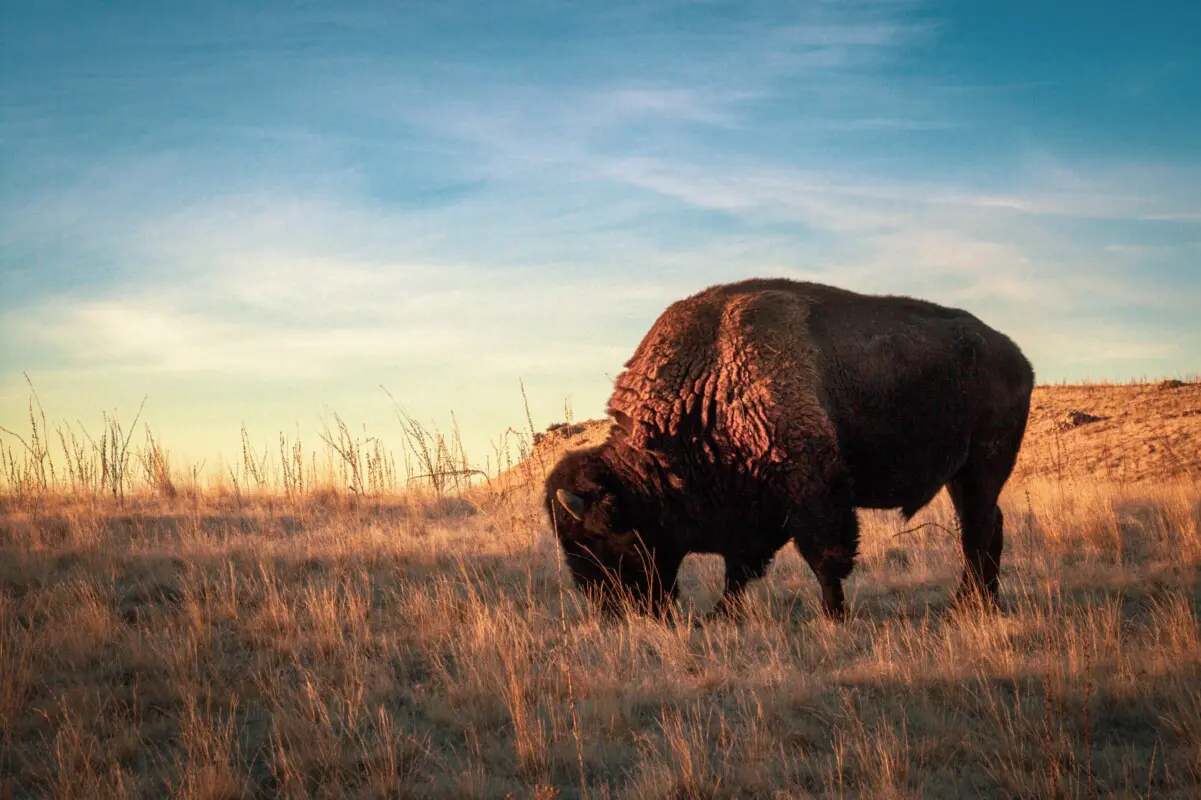
Initiated (and currently still chairs) the Wilderness Specialist Group, within the World Commission on Protected Areas of the International Union for the Conservation of Nature.
2005
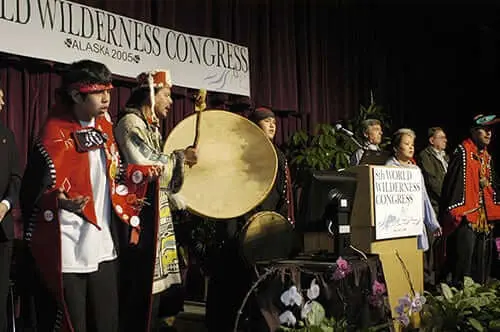
8th World Wilderness Congress, Alaska, United States – Assembled the world’s top nature photographers to create the International League of Conservation Photographers (iLCP); initiated with native partners the first ever (Indigenous-led) Native Lands and Wilderness Council, which subsequently created the only case studies in the world for indigenous-declared and managed wilderness areas; CEMEX announced intention to create first corporate-owned wilderness area.
2009
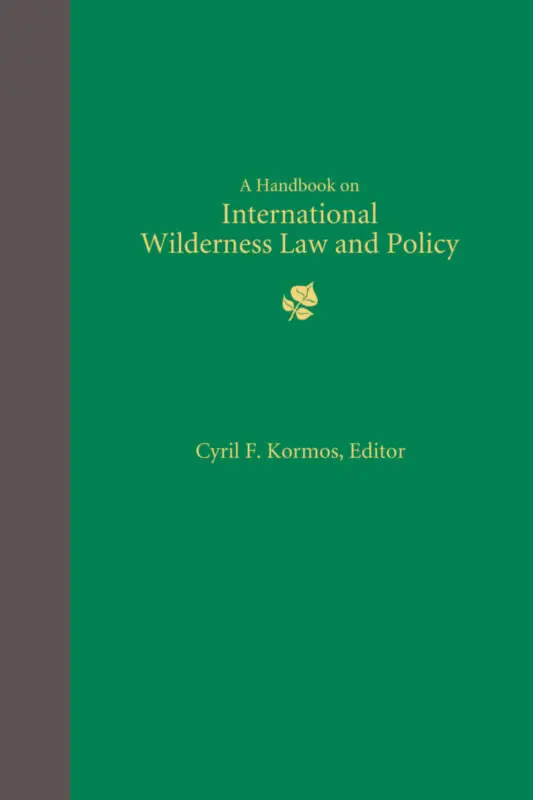
Published the first ever International Handbook for Wilderness Law and Policy, still the standard reference.
2009
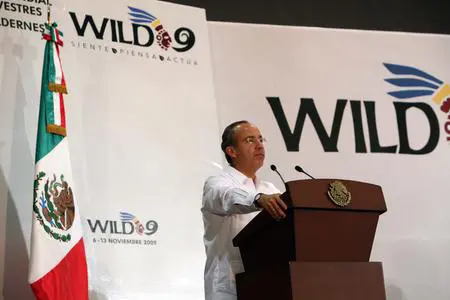
9th World Wilderness Congress (WILD9), Mexico – CEMEX revealed the legal declaration and management plan for the El Carmen Wilderness Area, the first private wilderness area and the first corporate owned in Latin America; Initiated the process whereby leaders of all North American land management agencies signed formal intention to for the first continental scale, intergovernmental wilderness cooperation.
Launched Nature Needs Half, an international coalition of scientists, conservationists, nonprofits, and public officials defending nature at the scale she needs to continue to function for the benefit of all life.
2010
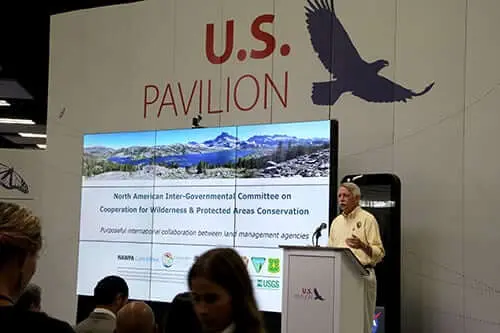
Following from work done at WILD9, WILD was asked by the North American land management agencies to facilitate NAPA, the first continental-scale agreement for wilderness and protected areas.
WILD initiated what became the first transfrontier conservation area between Mexico and the United States (3.5 million acres).
2013
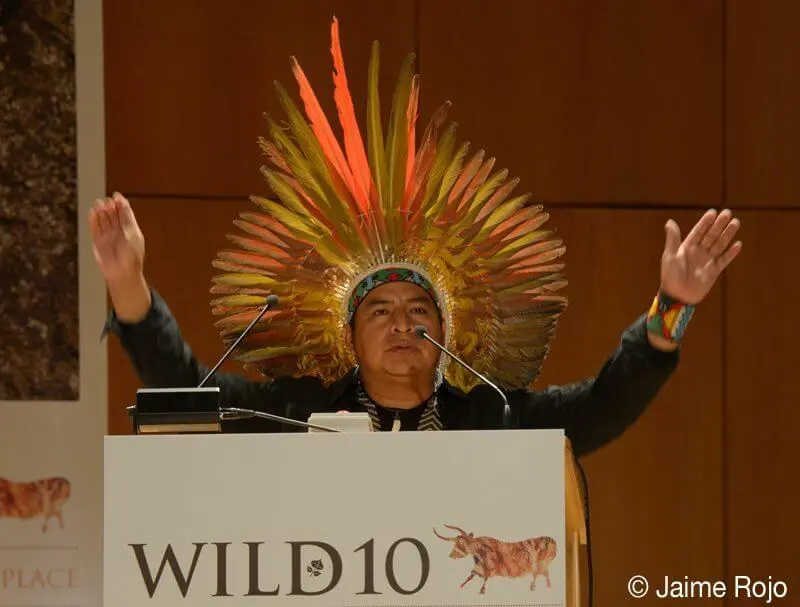
10th World Wilderness Congress (WILD10), Spain – Produced Vision for a Wilder Europe, a vision and policy document for the European Union on the state of wilderness in 50 years, as the continent “rewilded” itself. European Wilderness Society was established.
Launched CoalitionWILD, a program which connects and equips the world’s young change-makers to tackle our planet’s greatest conservation challenges.
2015
Co-founded Wilderness Foundation Global, a global consortium based in South Africa.
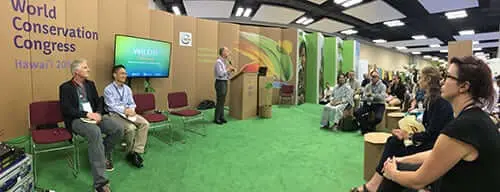
2016
Produced the first International Wilderness Management Guidelines for the International Union of the Conservation of Nature.
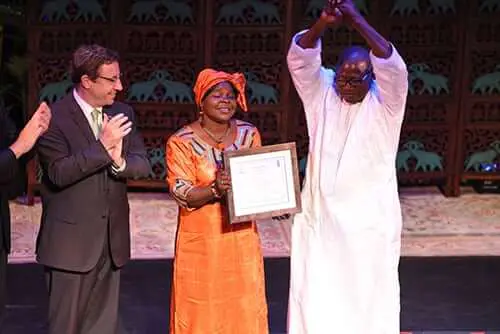
2017
The Mali Elephant Project wins the prestigious United Nations Equator Award.
Helped initiate the first China Inventory of Wilderness with Professor Yang Rui and Cao Yue of Tsinghua University, Beijing.