

What is Indigenous Land Tenure?
Indigenous land tenure refers to the recognition, rights, and authority that Indigenous peoples have over their traditional lands, territories, and resources. It includes the ability to use, manage, protect, and make decisions about their land according to their own cultural practices and laws.
Why is Indigenous land tenure important?
Indigenous land tenure tends to keep ecosystems more intact, biodiverse, and resilient. Where Indigenous land rights are secure, ecosystems are often better protected than in state-managed or privately held lands. This is because many Indigenous peoples have stewarded their territories for generations using place-based knowledge, cultural practices, and governance systems that tend to sustain biodiversity rather than extract it. Conservation succeeds when Indigenous land tenure is respected because protecting biodiversity requires protecting the people who have long stewarded the land.
How is Indigenous land tenure a part of WILD's work?
Many of the world’s remaining intact and biodiverse ecosystems are located on Indigenous lands, where communities have stewarded nature for generations. Securing Indigenous land rights is one of the most effective and equitable ways to protect large, connected landscapes at the scale biodiversity requires, and to achieve protecting Half of Earth’s land and seas.
WILDs vision of Nature Needs Half recognizes that ecological balance can only be achieved when land is shared equitably between people and nature, and in proportion to what is required for ecosystems to sustain biodiversity, regulate climate, and support life. That’s why WILDs programs and policy work are rooted in supporting Indigenous land tenure and self-determined stewardship.
By supporting Indigenous land tenure, WILD advances conservation that is both science-based and justice-centered, protecting the wild places that are essential to the biosphere while strengthening the rights of the people who protect them.
A few recent examples include:
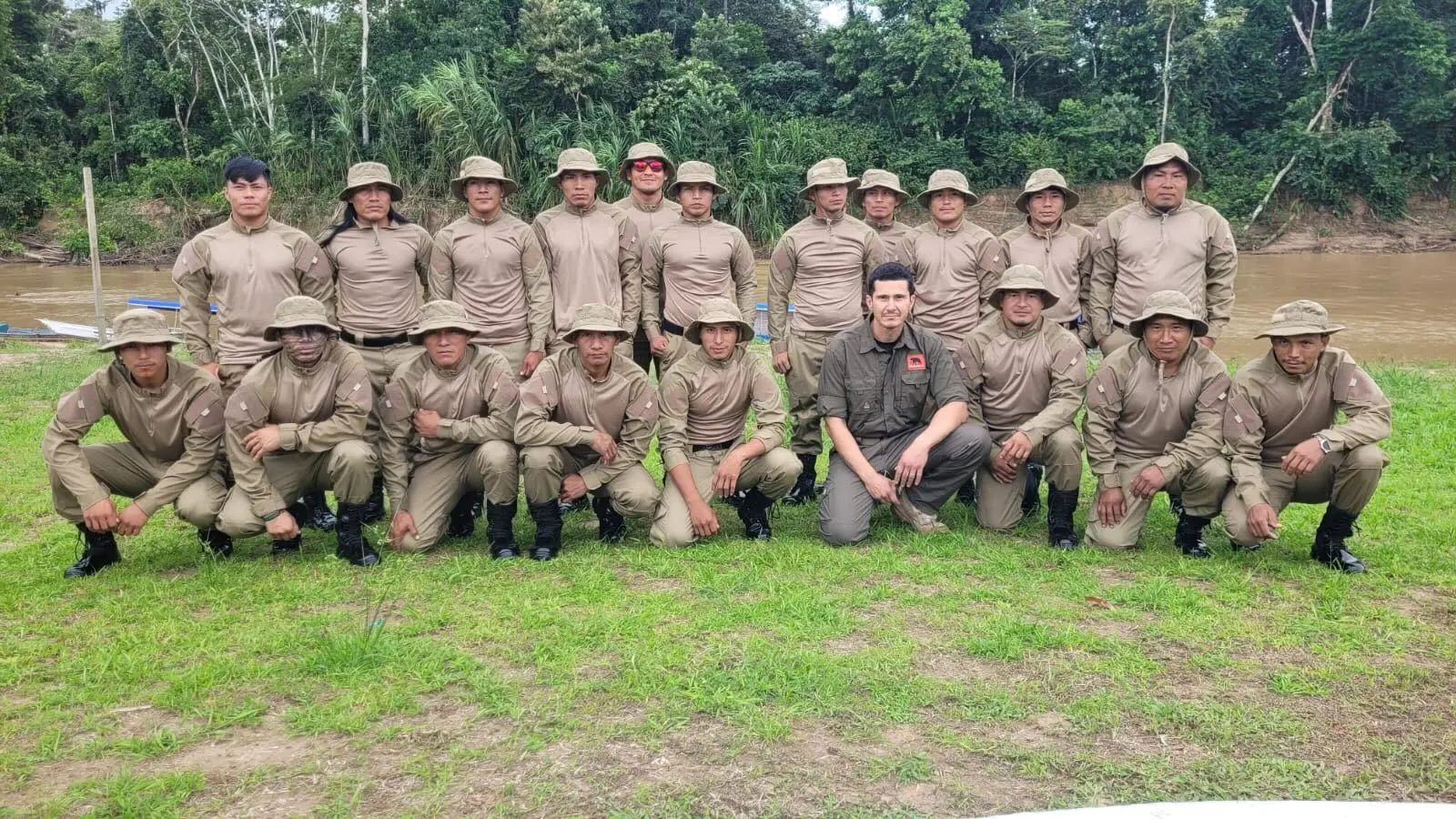
- In 2023, WILD helped support a Yawanawá delegation to Brasilia that resulted in formal recognition of 187,000 hectares of Indigenous territory, a victory that safeguards critical habitat and biodiversity.
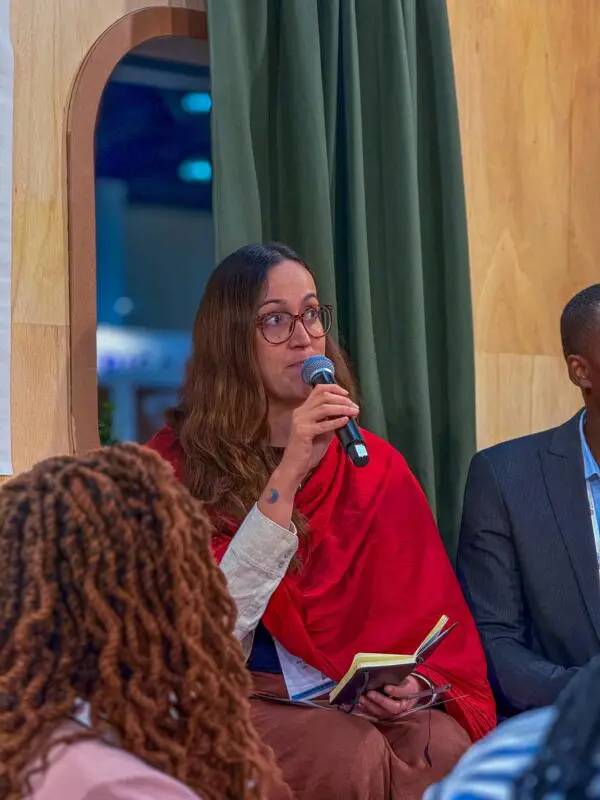
- In 2025, WILD brought three motions to the IUCN World Conservation Congress that center Indigenous Peoples and local communities as stewards of nature, through the strengthening of Indigenous and local community land tenure and calling for the expansion of the training and resources they need to fully protect their territories. Read more about the motions here.
02 / 05
Mali Elephant Landscapes
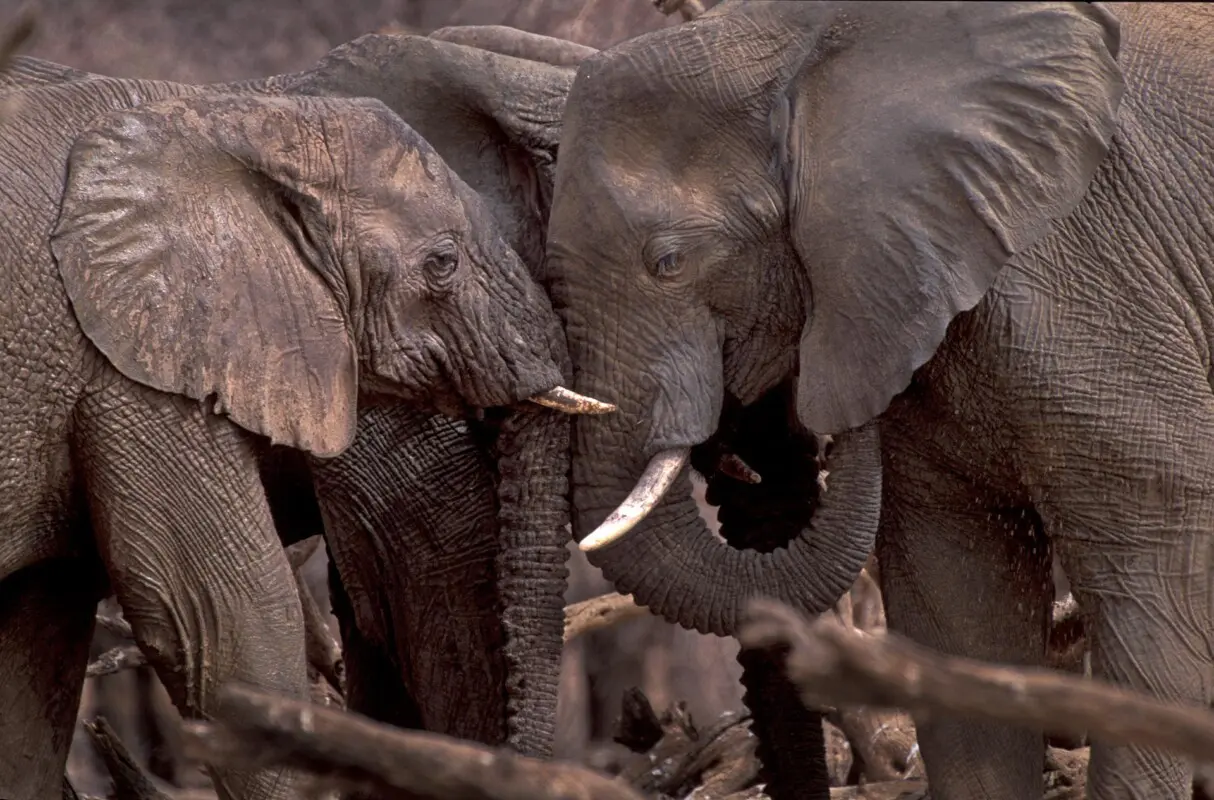
True collaboration & the recognition of local leadership make sustainable solutions possible
Learn More03 / 05
Rainforest Lifeways
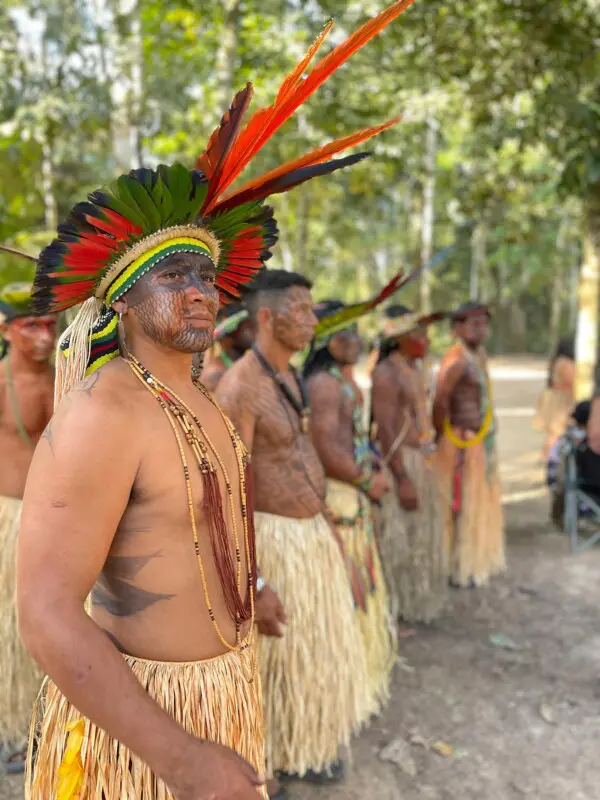
Indigenous lifeways & life planning are the key to a healthy rainforest
Learn More
05 / 05
World Wilderness Congress
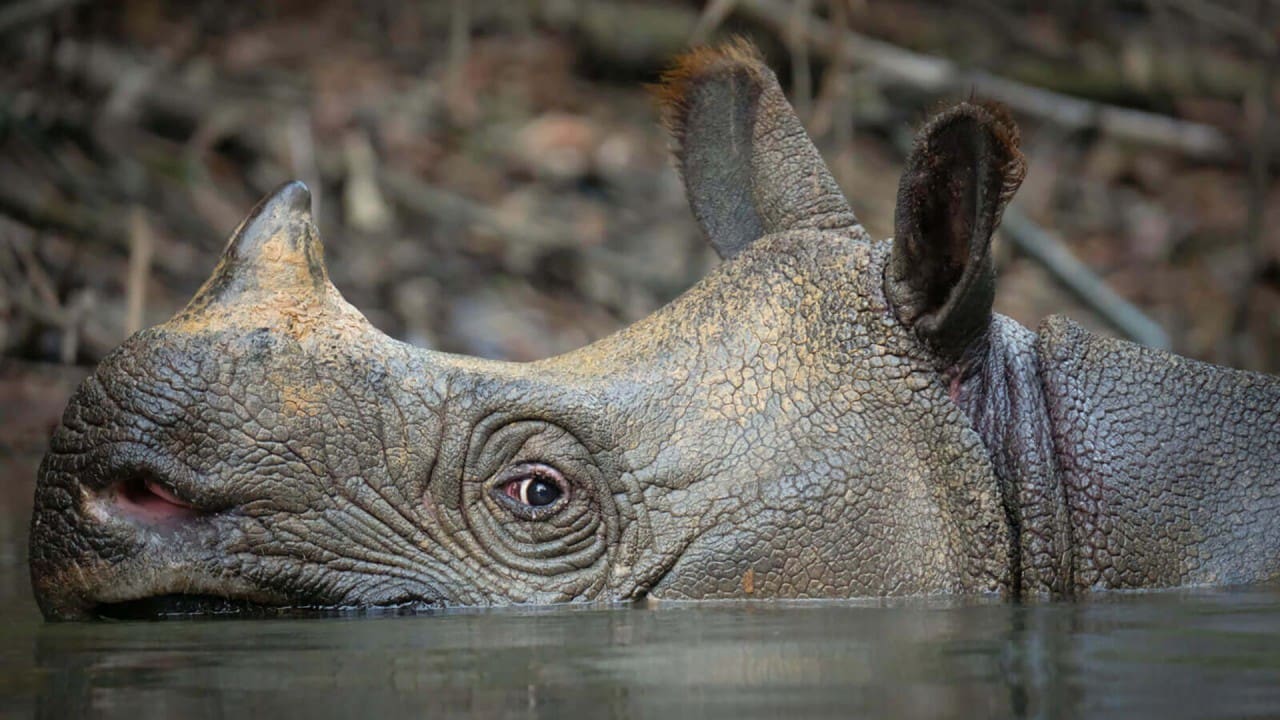
For +50 years WILD has convened the world’s longest running public environmental policy platform
Learn More