
What is Climate?
Climate is the long-term pattern of weather in a region, measured over decades and shaped by temperature, precipitation, seasons, extreme weather events, and other atmospheric conditions. It determines where species can live, how ecosystems function, and how food and water systems operate. Stable climate patterns allow forests to grow, oceans to support life, crops to thrive, and communities to plan and adapt over time. When climate changes, these patterns are disrupted, affecting both nature and people.
Why does climate matter?
Climate matters because it shapes the conditions that make life on Earth possible, and life itself helps regulate the climate. Forests, oceans, soils, and wildlife all influence temperature, rainfall, and atmospheric balance. Thus, Earth’s climate patterns are not separate from nature, they are, in part, created and stabilized by biodiversity.
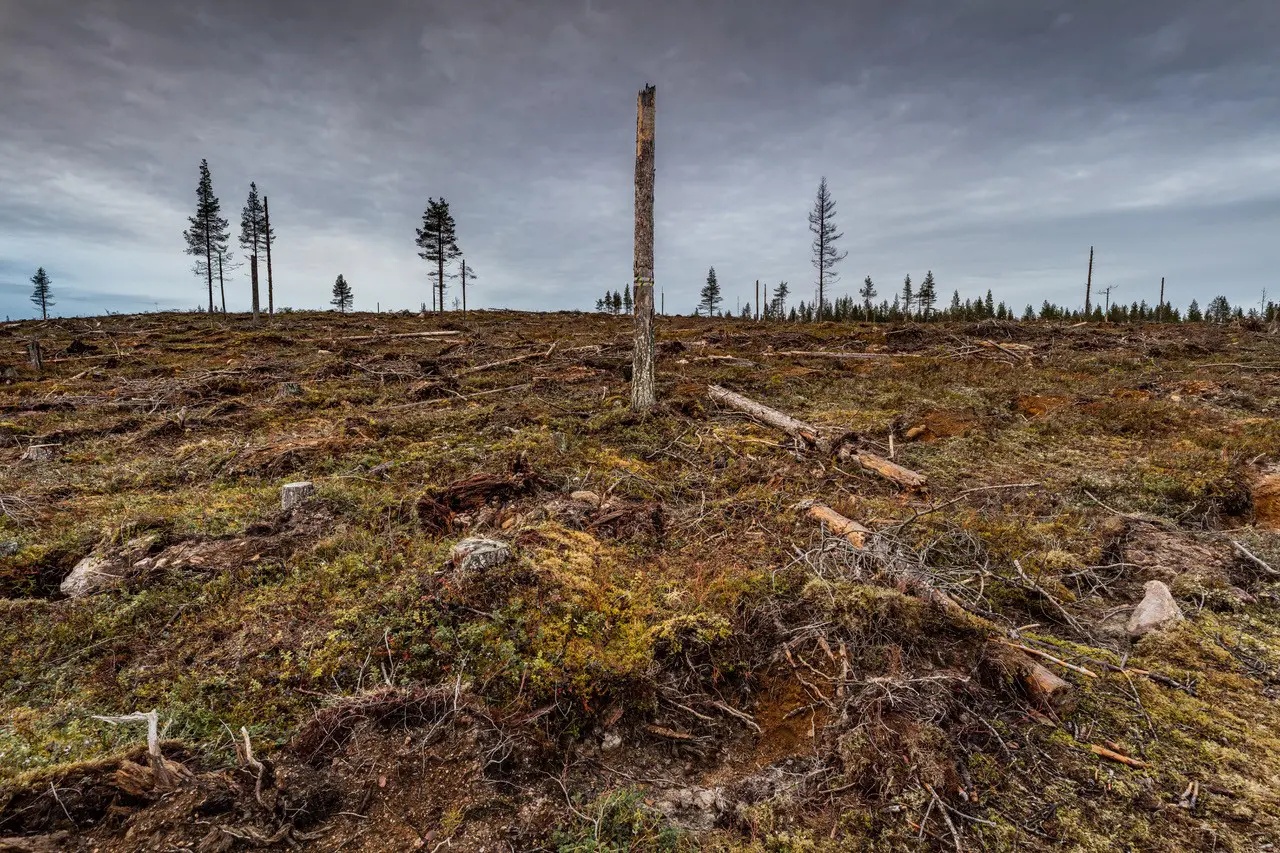
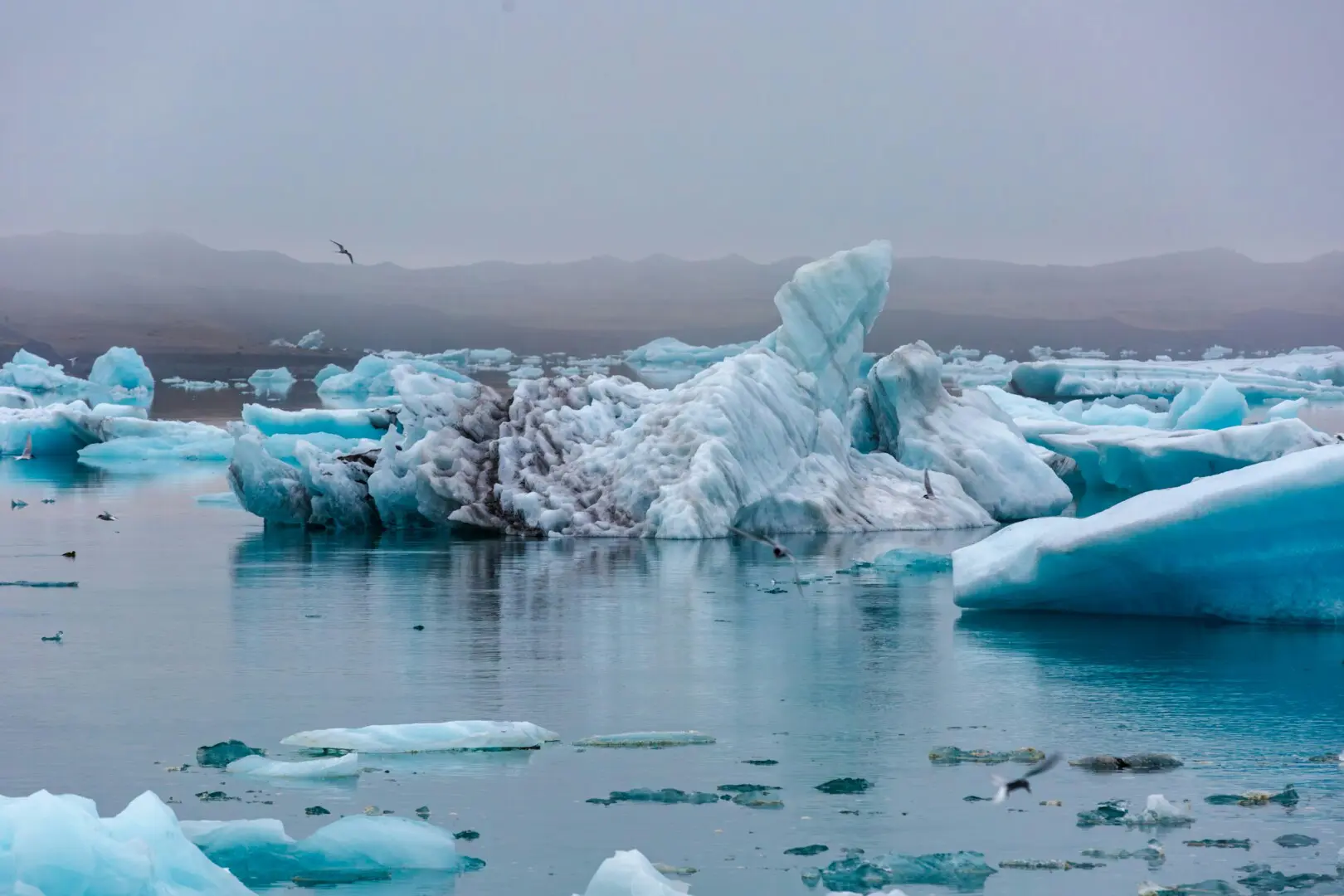
Climate change disrupts these relationships. As ecosystems are degraded and temperatures rise, the natural systems that regulate climate become stressed or begin to fail. For example, roughly 70% of the rainfall in southern South America depends on moisture recycled through the Amazon rainforest, a system now threatened by deforestation, biodiversity loss and warming. Another example is the boreal forest, which is the largest terrestrial biome on Earth, storing enormous amounts of carbon. As it is logged, burned, or thawed, that carbon is released, accelerating climate change.
This creates a dangerous feedback loop where climate change drives ecosystem collapse, and ecosystem collapse accelerates climate change. Protecting biodiversity and restoring nature is therefore essential not only for sustaining life on Earth, but for stabilizing the climate itself.
How is climate a part of WILD's work?
At WILD we believe that Nature Needs Half offers a science-based solution to both biodiversity loss and the current climate crisis. Decades of research shows that protecting at least 50% of Earth’s land and ocean in large, intact, and connected landscapes allows ecosystems to continue regulating climate, storing carbon, and buffering extreme weather events. By safeguarding half the planet, we give nature the space it needs to stabilize the climate, protect biodiversity, and support life.
Protecting half the Earth is not about excluding people. Indigenous and local communities already steward many of the world’s most resilient and biodiverse regions, demonstrating that conservation and human presence can coexist. For this reason, WILD prioritizes partnerships and projects with Indigenous communities, addressing the root causes of both biodiversity loss and climate change.
02 / 05
Mali Elephant Landscapes
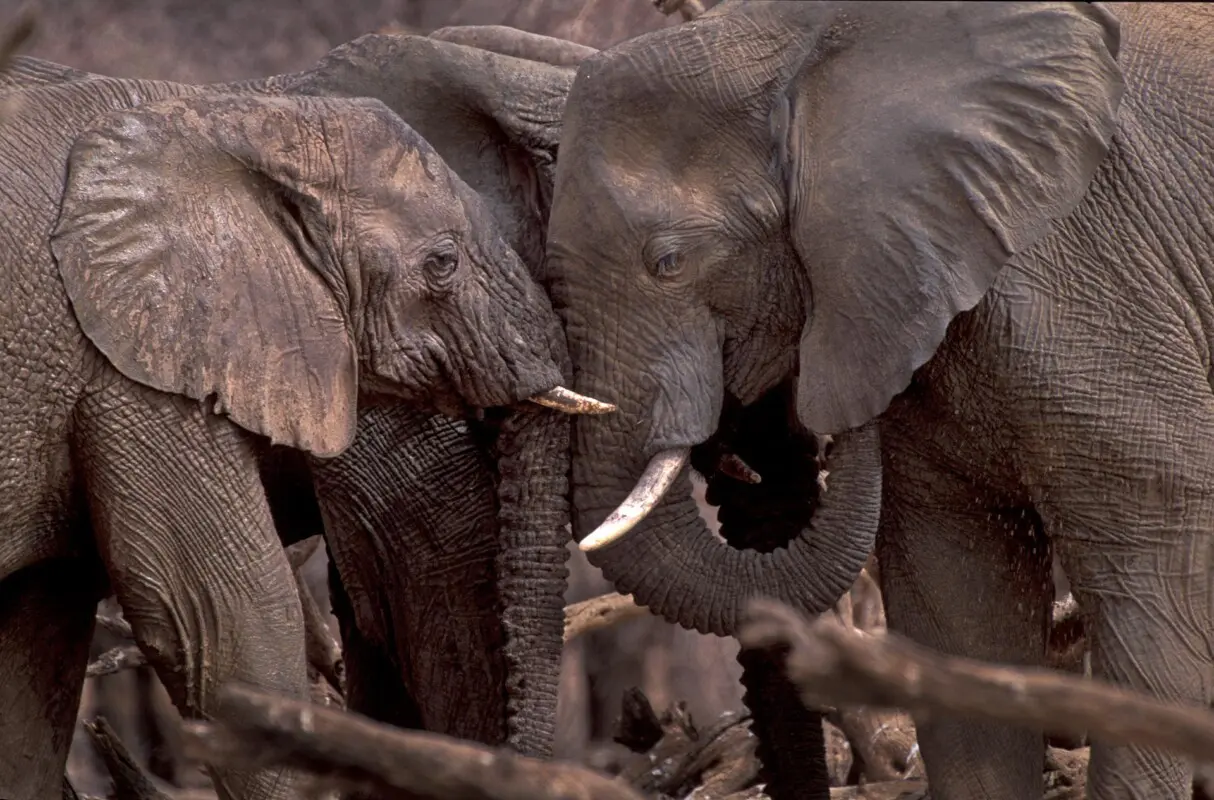
True collaboration & the recognition of local leadership make sustainable solutions possible
Learn More03 / 05
Rainforest Lifeways
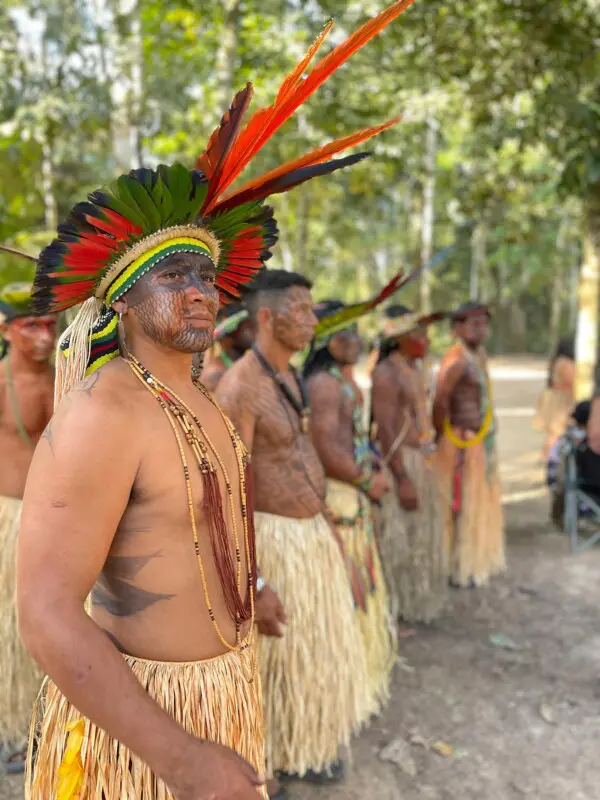
Indigenous lifeways & life planning are the key to a healthy rainforest
Learn More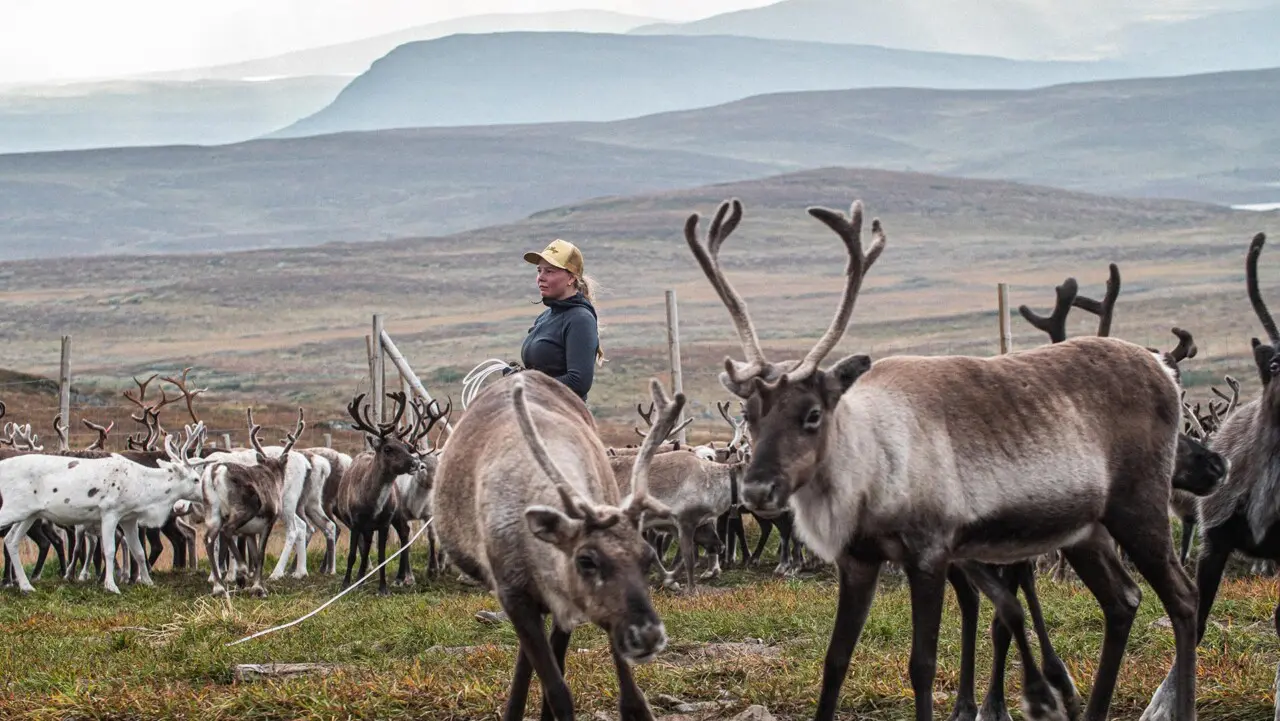
05 / 05
World Wilderness Congress
For +50 years WILD has convened the world’s longest running public environmental policy platform
Learn More