by Cidee Despi | Jun 5, 2023
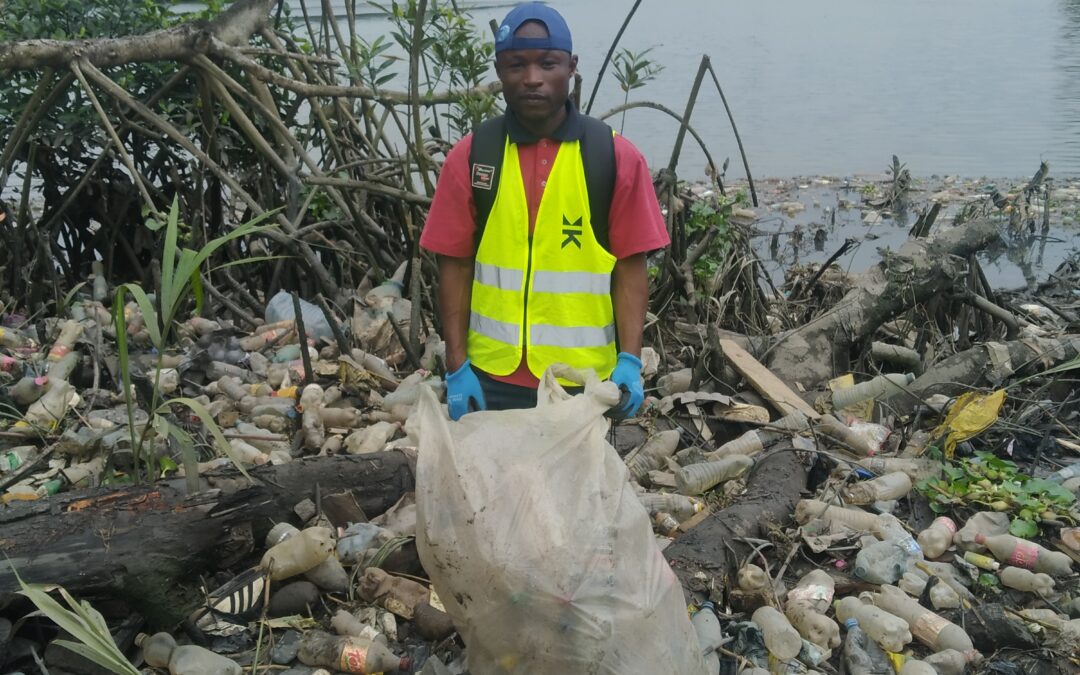
Ayamba’s passion for the natural environment has driven him to turn plastic waste into a valuable resource in Cameroon, creating new jobs, and relieving Douala from plastic pollution. His innovative approach seeks to monetize what was once waste, change the paradigm on plastic, and reduce extreme poverty in Cameroon. Through the EXCELerator program, Ayamba has gained knowledge and skills that have helped his project and him personally.
by Cidee Despi | May 29, 2023
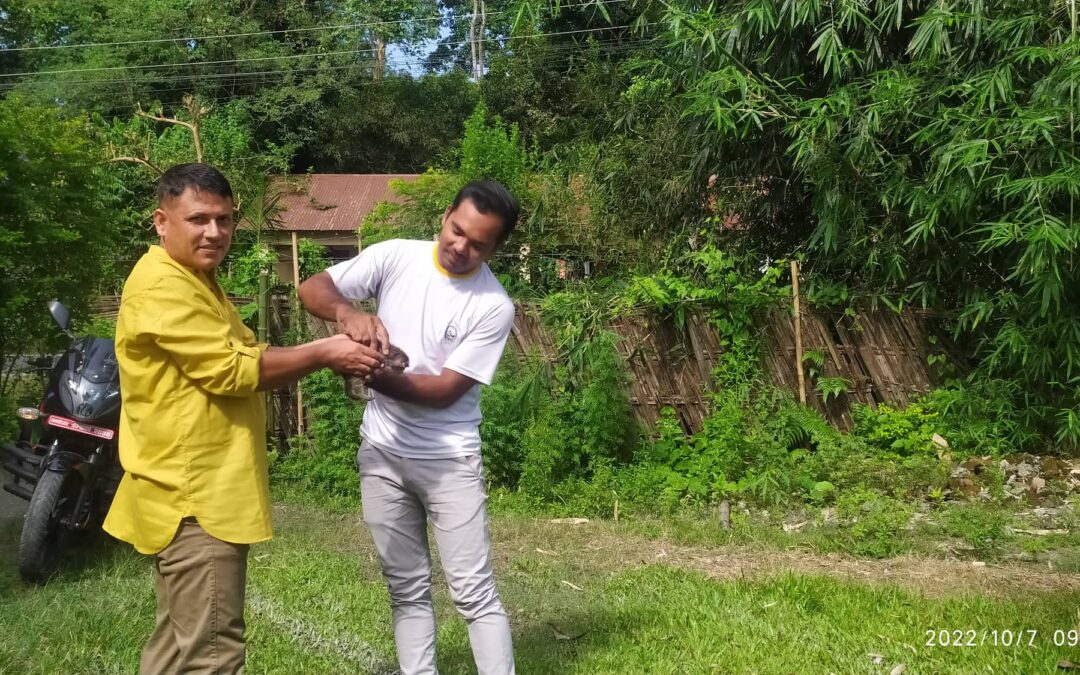
In Nepal, it is common to see people struggling to get the correct information and skills to respond to the cats including fishing cats and in many cases ending up with mal-practices, even though they intend to help during rescue and rehabilitation activities. Frontline conservation communities require practical information about the Fishing cat, ways to respond, handle, rescue and rehabilitation.
by Daniel Meyer | May 10, 2023
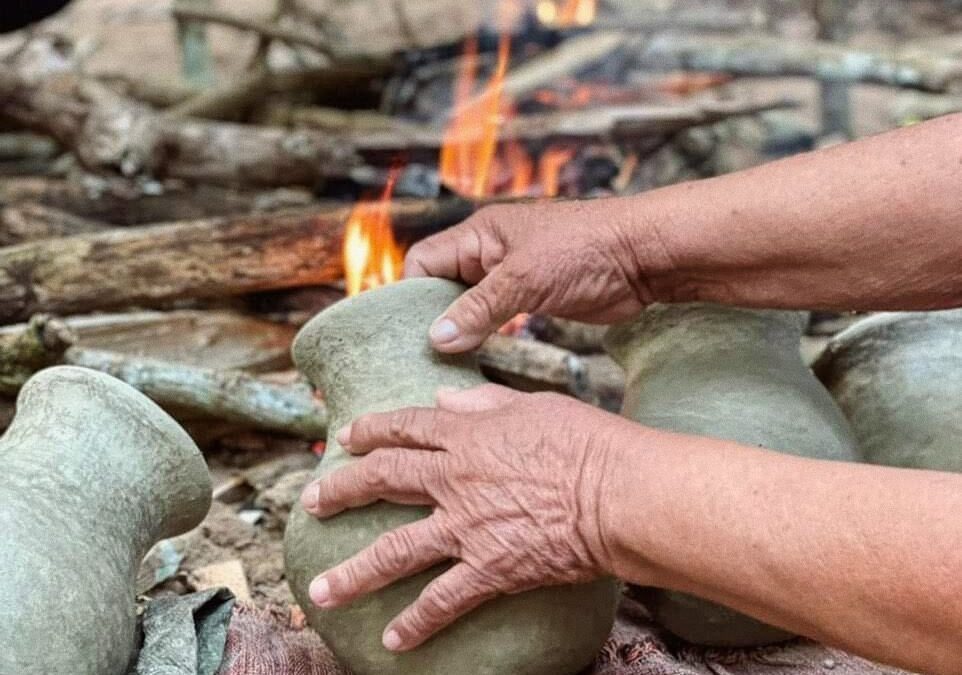
WILD’s Yawanawá Cultural Liaison Intern, Luna Rosa Soriano Yawanawá, took us behind the scenes of the ceramic pots creation process in her community.
by Cidee Despi | Mar 13, 2023
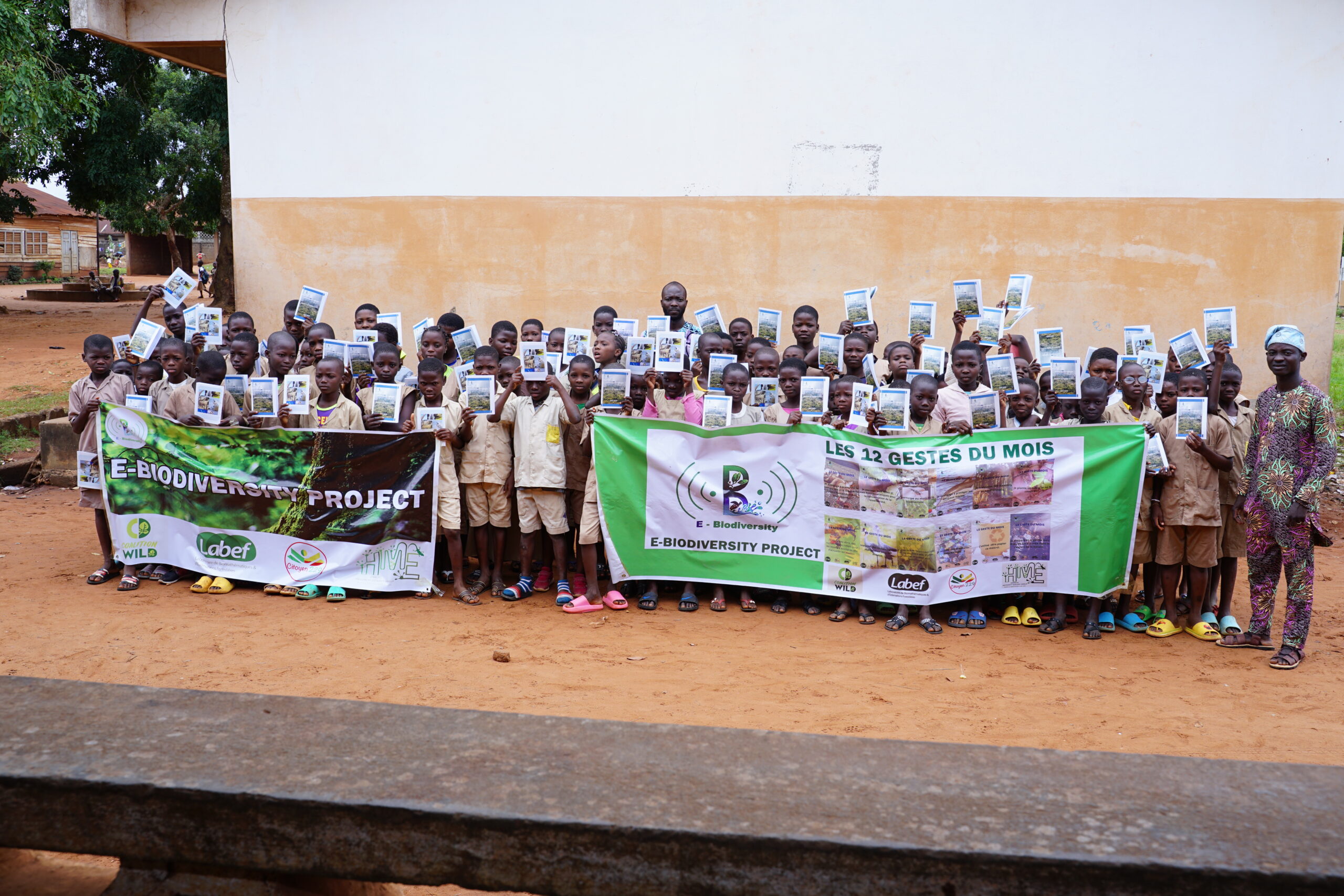
Moustapha’s E-biodiversity project was launched with the aim of raising awareness and educating children about the importance of biodiversity conservation. He noticed that there was a lack of biodiversity education in the primary schools of the Pobèregion in Benin. Moustapha and his team decided to launch a project that would contribute to the fight against the threats to biodiversity conservation.
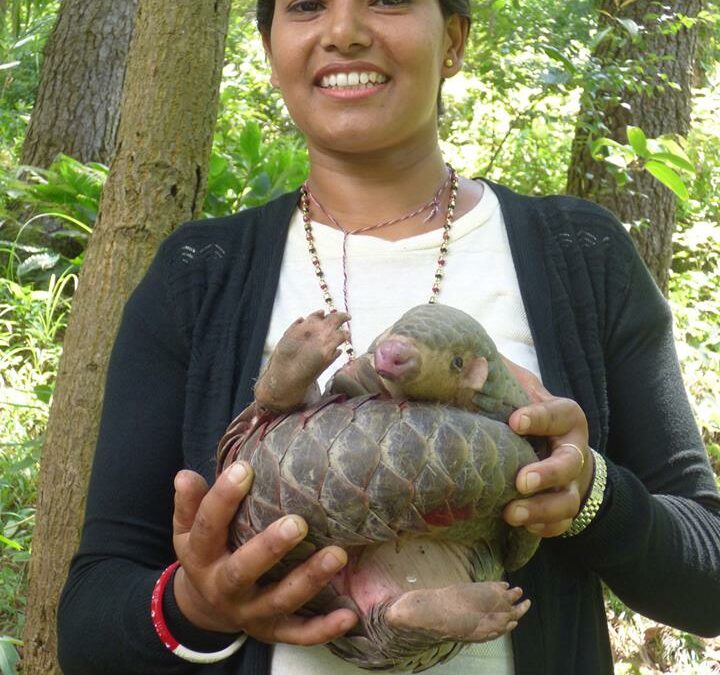
by Cidee Despi | Feb 17, 2023
The day is an opportunity for pangolin enthusiasts and the wider human community to join hands in raising awareness about the plight of these unique mammals that play a critical role in their ecosystems by providing the earth with natural pest control.
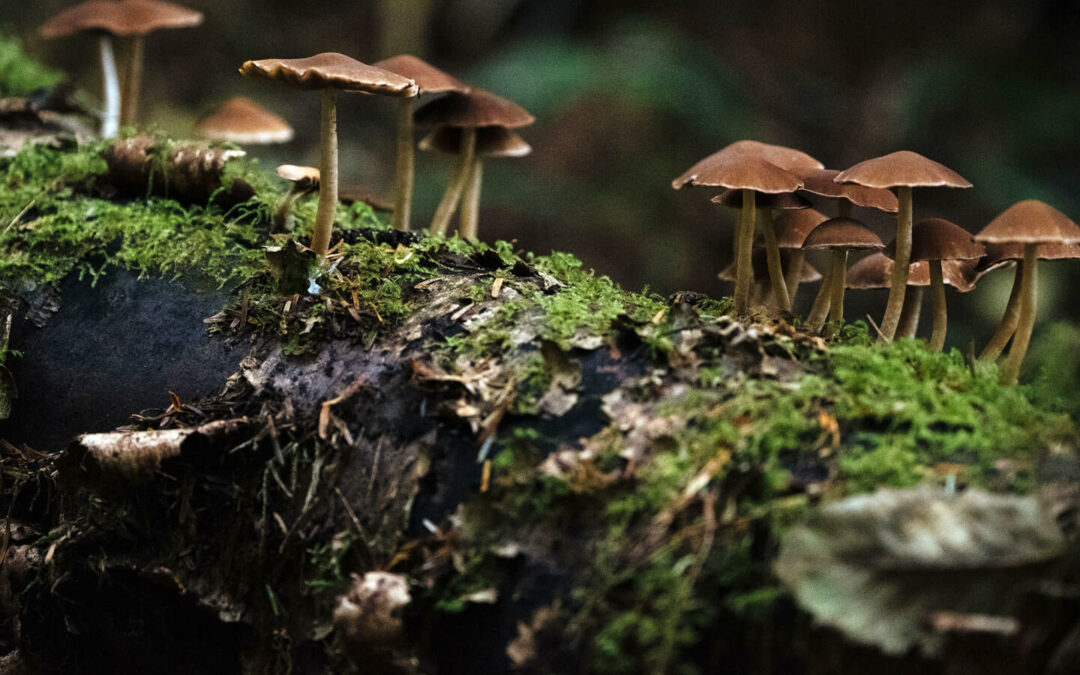
by Daniel Meyer | Dec 20, 2022
There are up to 3.8 million species of fungi on Earth but, why should we care about these sometimes-strange-looking eukaryotic organisms?
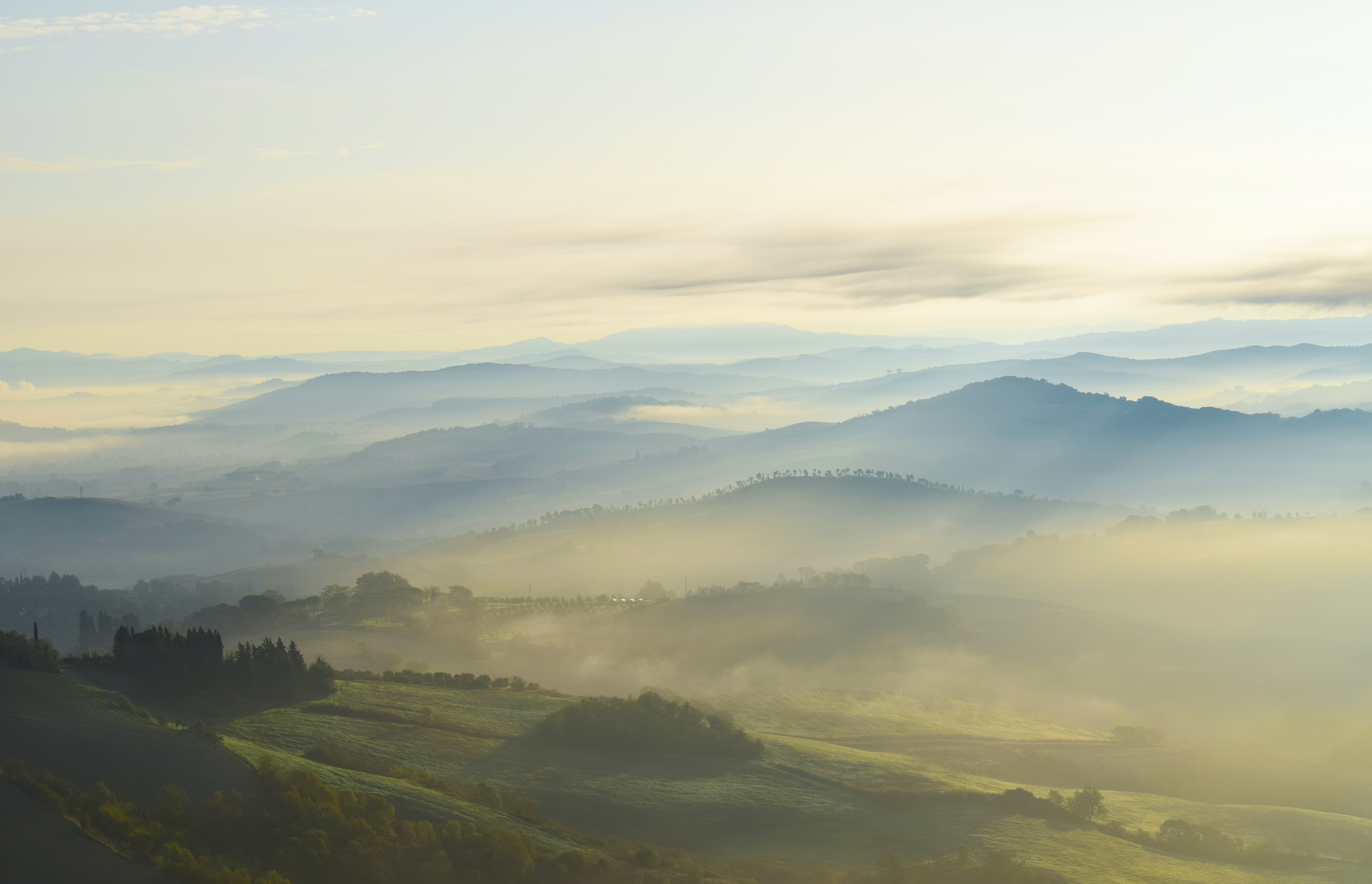
by Cidee Despi | Dec 6, 2022
35 years ago, all 198 UN Member States convened for a historic summit in Montreal. There, they negotiated and signed the world’s most successful environmental accord, the Montreal Protocol, saving our ozone layer and curbing greenhouse emissions. Now, 35 years on, these same parties are poised for another landmark event: the 15th Conference of the Parties to the United Nations Convention on Biological Diversity (COP15), wherein will be designed the subsequent decades’ worth of international wildlife and nature targets. The question on everyone’s minds is “How can we follow one historic success in Montreal with another?”
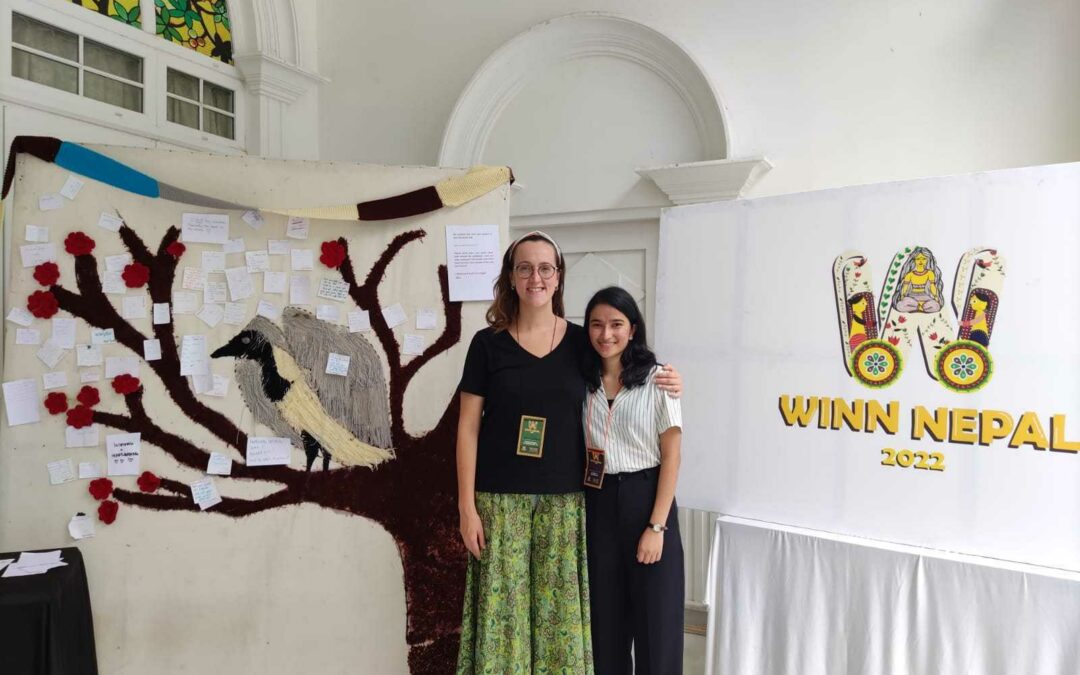
by Cidee Despi | Oct 27, 2022
Last 3-4 September 2022, two of CoalitionWILD team members, Fátima Gigante and Asmita Rawat, had the honor to join the Women In Nature Network Global Networking (WiNN) Event 2022 held in Kathmandu, Nepal. Learn how WiNN 2022 was able to fulfill its motto of “empowered women, empower women.”
Read about Fatima and Asmita’s experience here: https://wild.org/blog/coalitionwild/winn-nepal-2022/
by Daniel Meyer | Sep 8, 2022
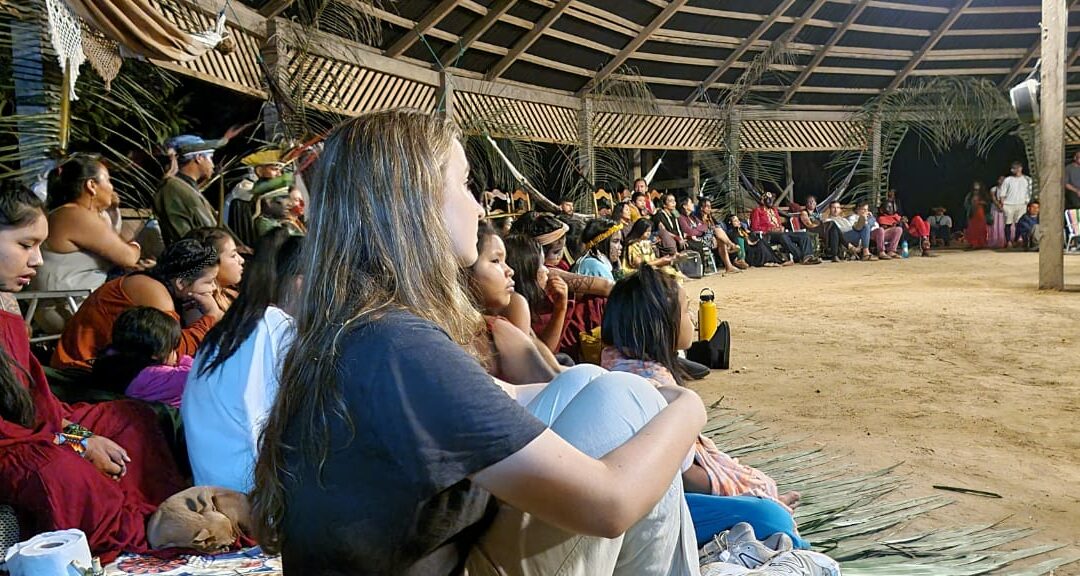
The Yawanawá people live in western Brazil, close to the Peruvian border. The Yawanawá culture revolves around their strong relationship with nature.

by Cidee Despi | Jun 17, 2022
Nature-based Solutions (NbS) was introduced in the late 2000s, primarily by international organizations such as the International Union for Conservation Nature (IUCN) and the World Bank. Its definitions have evolved since then but at its core remain the question: how can we solve human problems using nature?